Home / N5 Grammar List

N5 Grammar List

N5 Grammar: 〜は〜より (comparison sentences)
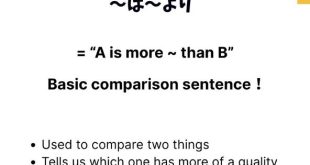
N5 Grammar: 〜は〜より (comparison sentences) A は B より~ (A wa B yori~) 〜は〜より = “A is more ~ than B” 💬「ラーメンはすしよりすきです」= I like ramen more than sushi 💬「ねこはいぬよりかわいい!」= Cats are cuter than dogs Perfect for debates, preferences, and starting fights in the comment section You can compare anything—food, people, …

Read More »

JLPT N5 Grammar: な (na)

JLPT N5 Grammar: な (na) Meaning: don’t ~ (order somebody not to do something) How to use: Verb-dictionary form + な For example: 1. たずねるな。話すな。 tazuneru na. hanasu na. Don’t ask, don’t tell. 2. 彼女をこれに引き込むな。 kanojo o kore ni hikikomu na. Leave her out of this. 3. 二度とそんなことをいうな。 nido to …

Read More »

JLPT N5 Grammar: けど / けれども (kedo / keredomo)

JLPT N5 Grammar: けど / けれども (kedo / keredomo) Meaning: but; however; although How to use: Sentence + けど/けれど/けれども For example: 1. 千葉君は顔は汚いけど、心はとっても清いんです。 chibakun wa kao wa kitanai kedo, kokoro wa tottemo kiyoin desu. Chiba might look ugly, but he has a pure heart. 2. 最初の2年間は、楽しかったですけど、順調だったとは言えないです。 saisho no ni nenkan …

Read More »

JLPT N5 Grammar: にする (ni suru)

JLPT N5 Grammar: にする (ni suru) Meaning: to decide on How to use: Noun + にする For example: 1. 今日は何にする? kyou wa nani ni suru. What do you want to eat today? 僕はウドンにします。 boku wa udon ni shimasu. I’ll eat udon. 2. この写真を大切にする。 kono shashin o taisetsu ni suru. I …

Read More »

JLPT N5 Grammar: くらい (kurai)

JLPT N5 Grammar: くらい (kurai) Meaning: about; approximately; at least; at the very least How to use: Noun + くらい/ ぐらい For example: 1. ごめんなさい。何か連絡くらいするべきだったのね。 gomen nasai. nanika renraku kurai suru beki datta no ne. I ‘m sorry. I should have got in touch with you. 2. 遅いからずっと心配してたのよ。電話くらいしてくれてもいいでしょう。 osoi kara …

Read More »

JLPT N5 Grammar: ~たあとで (ta ato de)

JLPT N5 Grammar: ~たあとで (ta ato de) Meaning: After having ~ How to use: Nの + あとで, ~ Vた + あとで, ~ Explain: Used to describe an event, an action that takes place after another action For example: 1. この本は見たあとで、私に貸してください。 Kono hon wa mita ato de, watashi ni kashite kudasai. …

Read More »

JLPT N5 Grammar: の (no)

JLPT N5 Grammar: の (no) Meaning: of (indicates possessive) How to use: Noun 1 + の + Noun 2 For example: 1. きみの誕生日になにもあげなかった。ごめんね。 kimi no tanjoubi ni nanimo agenakatta. gomen ne. I’m sorry for not giving you anything for your birthday. 2. 新しい職場環境の目玉はこんな感じです。 atarashii shokuba kankyou no medama wa konna …

Read More »

JLPT N5 Grammar: てはいけない (te wa ikenai)

JLPT N5 Grammar: てはいけない (te wa ikenai) Meaning: may not; must not; cannot How to use: Verb-てform + はいけない/ ちゃいけない/ はだめ/ ちゃだめ For example: 1. わたしたちは離れてはいけないのよ。 watashitachi wa hanarete wa ikenai no yo. We must not be parted. 2. しかし、あきらめてはいけないよ。 shikashi, akiramete wa ikenai yo. But don’t give up hope. …

Read More »

JLPT N5 Grammar: いる (iru)

JLPT N5 Grammar: いる (iru) Meaning: to exist, there is/are How to use: Person/Place + (に)は + thing + がいる Explain: The verb いる is used to indicate the existence of living objects. For example: 1. 図書館に人がいっぱいいる。 toshokan ni hito ga ippai iru. There are many people at the library. …

Read More »

JLPT N5 Grammar: てもいい (te mo ii)

JLPT N5 Grammar: てもいい (te mo ii) Meaning: is okay; can; may How to use: Verb-てform + もいい いadjective (remove い) + くてもいい なadjective + でもいい Noun + でもいい For example: 1. もうひとつ質問をしてもいいですか? mou hitotsu shitsumon o shite mo ii desu ka. Can I ask another question? 2. 明日、あなたに会いに来てもいいですか? ashita, …

Read More »